UNITED RAFTING · SUSTAINABILITY
No rivers,
no rafting.
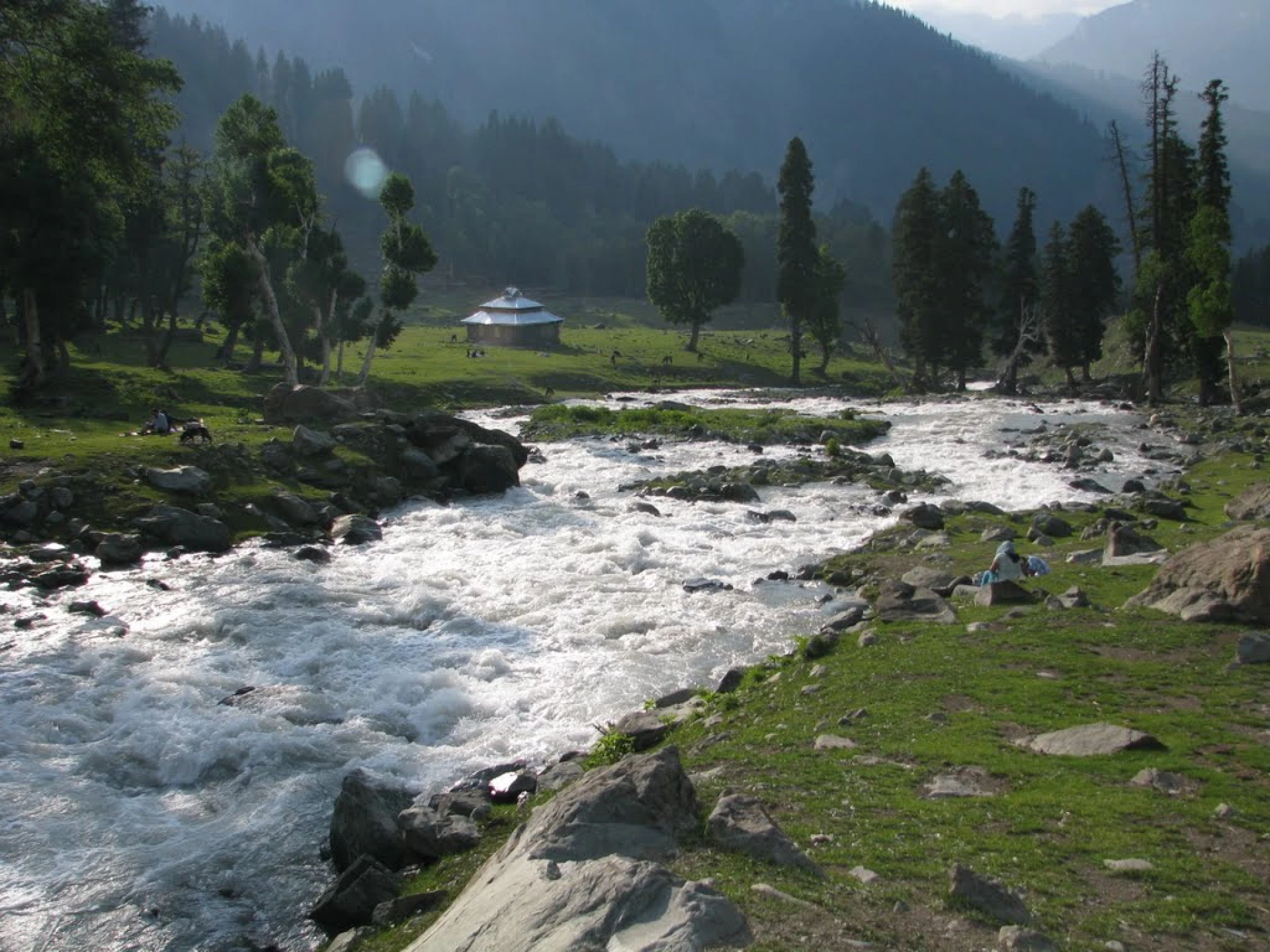
Rivers are more than the place where rafting happens. They are the natural infrastructure of our sport, part of the identity of the communities that live around them and ecosystems that must be respected and protected.
For United Rafting, the development of rafting and the protection of its natural environment must go hand in hand. The Federation promotes an approach in which sporting growth, access to rivers and environmental responsibility are considered together, encouraging National Federations, event organisers, athletes and the wider rafting community to play an active role in preserving the places where our sport is practised.
Sustainable events
International competitions provide an opportunity to demonstrate how sport can operate responsibly in natural environments. United Rafting encourages organisers to integrate sustainability into event planning from the earliest stages, considering the environmental characteristics of the venue, the efficient use of resources, waste reduction, mobility and the protection of the river and surrounding areas.
Whenever possible, events should also become an opportunity to work with local authorities, environmental organisations and communities on initiatives capable of producing benefits beyond the competition itself.
Protecting rivers
Healthy rivers are essential to the future of rafting.
United Rafting supports initiatives that promote awareness of river ecosystems and responsible access to waterways. The rafting community has first-hand experience of rivers and can therefore become an important voice in their protection, helping connect sport with environmental education and local conservation initiatives.
Protecting a river does not mean separating people from it. It means creating the conditions for rivers to be enjoyed responsibly while preserving their environmental value for future generations.
A broader vision of sustainability
For United Rafting, sustainability extends beyond environmental protection. The long-term development of the sport also requires social, economic and infrastructural sustainability.
Events and rafting activities should create opportunities for local communities, support grassroots participation and make responsible use of existing facilities and resources. Natural rivers and artificial whitewater venues require different approaches, but the objective remains the same: developing models that allow rafting activities to grow without creating an unsustainable burden on the places and organisations that host them.
By connecting environmental responsibility with viable events, active local communities and long-term sporting development, United Rafting aims to ensure that the growth of rafting contributes positively to the rivers and territories on which its future depends.